Timeless Elegance: Why a Bronze Statue Is the Ultimate Home Decor Statement
Timeless Elegance: Why a Bronze Statue Is the Ultimate Home Decor Statement
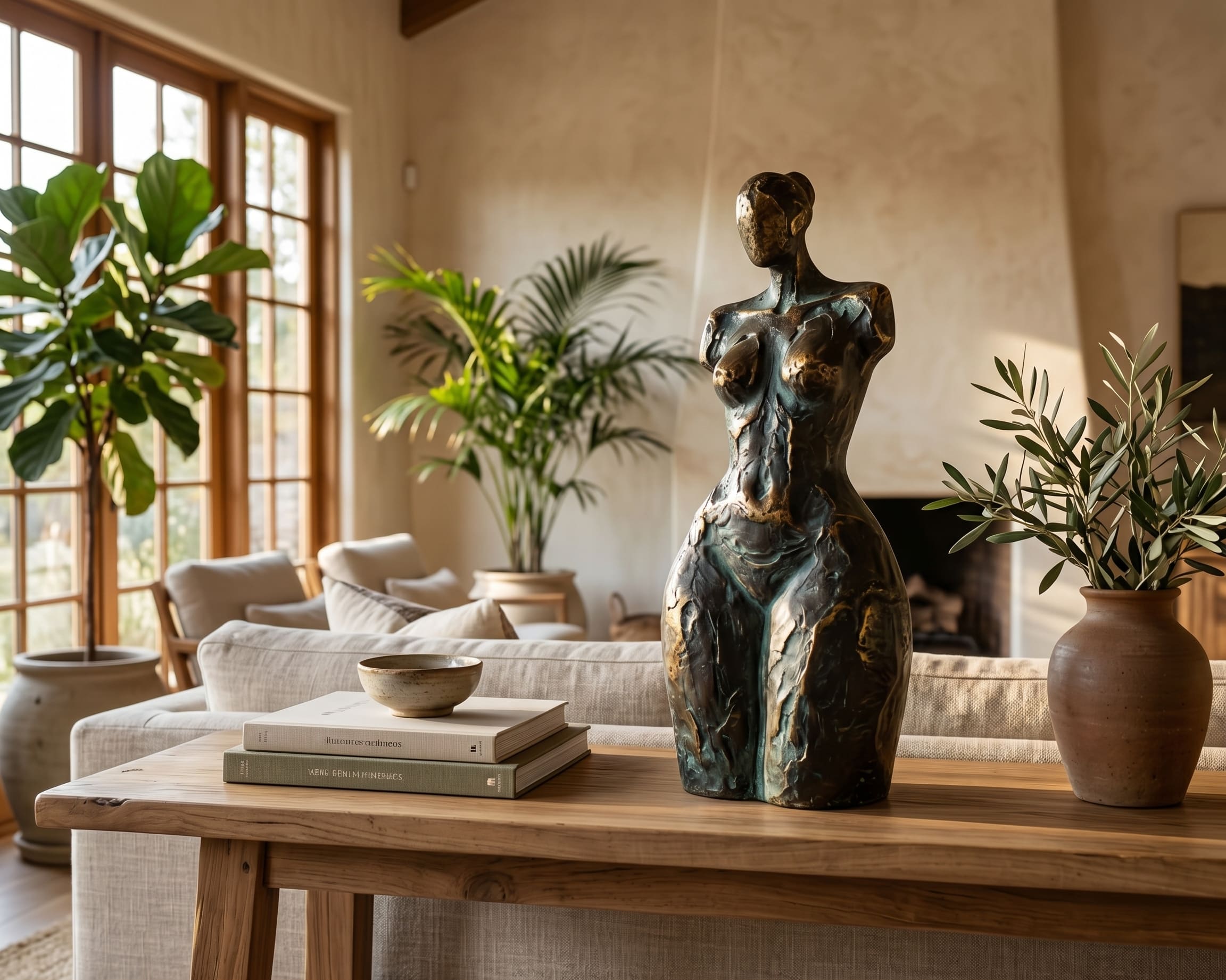
Walk into most modern living rooms, and you are greeted by a familiar formula: flat drywall, plush upholstery, glass coffee tables, and mass-produced canvas prints. While comfortable, these spaces often lack a sense of permanence. Now, imagine placing a cast bronze statue for home decor on a sunlit console table or a minimalist wooden pedestal. Instantly, the energy of the room shifts.
For over five millennia, bronze has been the medium of choice for emperors, master sculptors, and discerning collectors. Bringing an indoor bronze sculpture into a household is more than a simple styling choice—it introduces a piece of living chemistry, ancient craftsmanship, and unmatched visual weight into your everyday environment.
1. A "Living" Surface: The Fascinating Science of Bronze Patina
Unlike glass, ceramic, or synthetic resin that looks identical the day you buy it and the day you discard it, bronze is a living metal. Composed primarily of copper blended with tin, bronze reacts subtly to its environment over decades, developing what art historians call a natural bronze patina.
The Chemistry of Color
While many people picture bronze as a dark, chocolatey brown, artisans use heat and chemical oxidation to create breathtaking hues ranging from emerald verdigris and deep ocean blue to warm amber and burnished gold.
The Human Touch Effect
One of the most intriguing traits of a household bronze statue is how it responds to its owners. Every time you gently brush your hand across the sculpture, the natural oils from your skin microscopically polish the raised edges. Over the years, frequently touched areas develop a warm, golden glow that contrasts against the darker, recessed crevices—turning your daily interactions into part of the artwork's history.
Dynamic Light Play
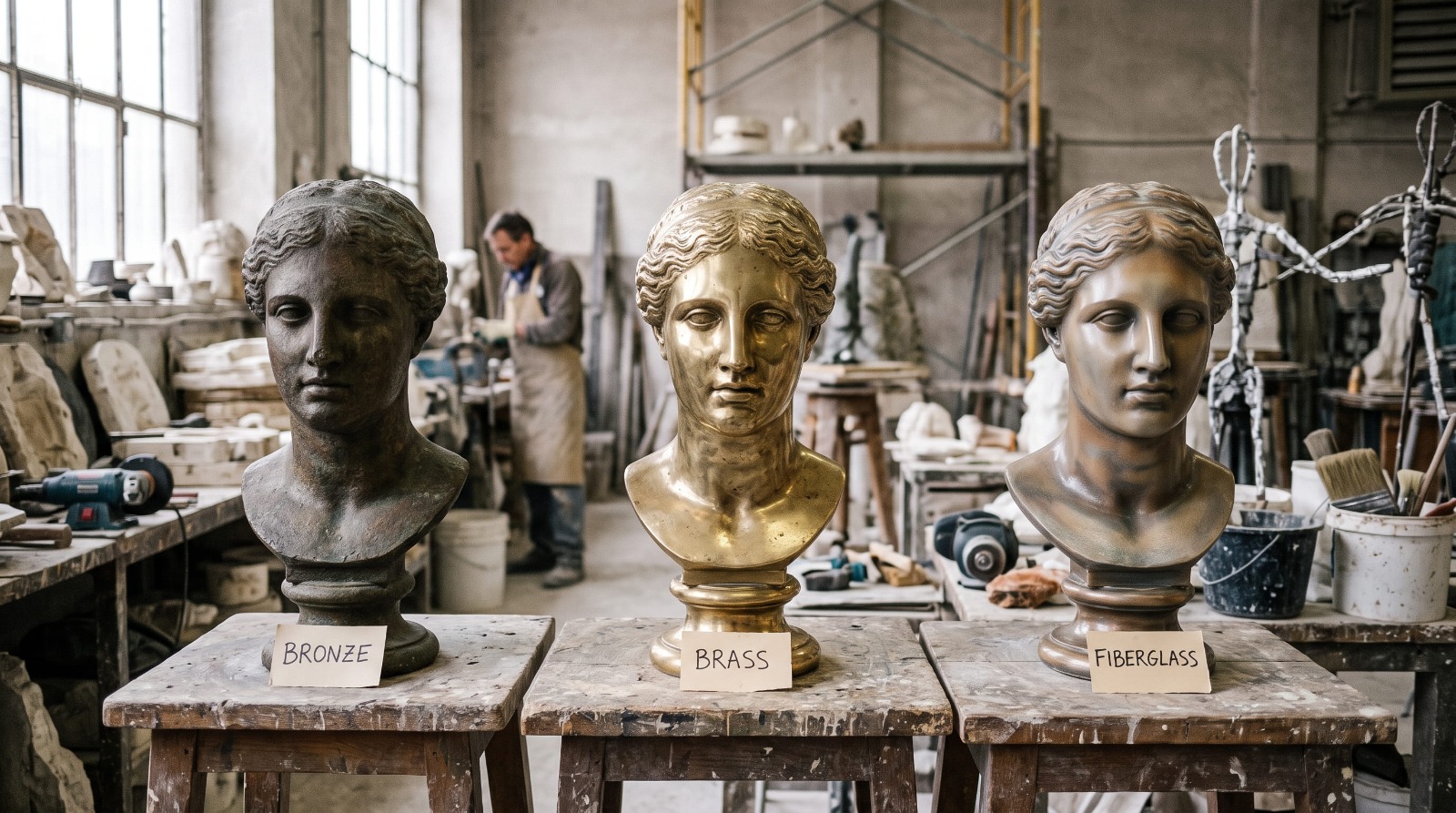
Unlike polished brass or chrome that reflects harsh glares, a patinated bronze surface absorbs and diffuses light. A single sculpture will look dramatically different under crisp morning sunlight compared to the warm glow of an evening floor lamp.
2. Ancient Craftsmanship Meets Modern Interior Design
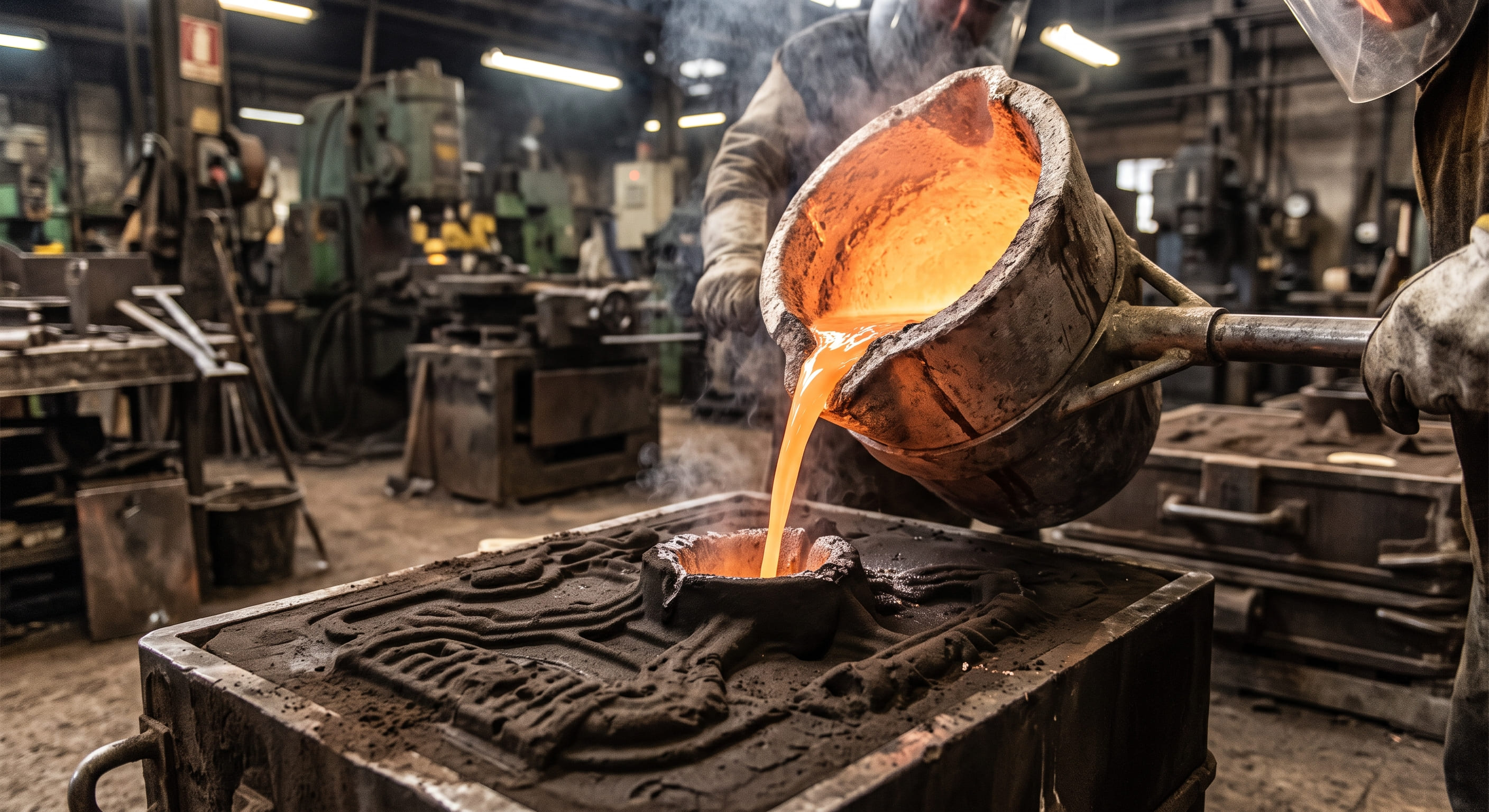
When you display a genuine bronze sculpture in your living space, you are showcasing a process that has remained virtually unchanged for 6,000 years: lost-wax casting (cire perdue).
Creating a single bronze statue requires sculpting an original model, encasing it in a mold, melting out the wax, pouring molten metal heated to over 1,000°C, and hand-chasing the final details. Because the mold is often destroyed or meticulously reassembled for limited editions, no two bronze castings are ever 100% identical down to the microscopic level.
In the context of decorating with bronze art, this artisanal depth solves a common interior design problem: textural flatness.
Warming Up Minimalist Spaces
Contemporary homes filled with white walls, concrete floors, and sleek cabinetry can easily feel sterile. The warm, earthy undertones of a bronze sculpture inject instant organic warmth without adding visual clutter.
Bridging Design Eras
Whether your home leans toward Mid-Century Modern, Industrial Loft, Classic Traditional, or Japandi, bronze acts as a neutral metallic anchor. An abstract bronze torso looks right at home beside a linen sofa, just as a classical wildlife figurine elevates a mahogany bookshelf.
3. An Heirloom Investment That Outlasts Trends
Fast furniture and seasonal decor trends cycle out of style every few years, ending up in landfills. Indoor bronze sculptures, by contrast, are virtually indestructible under normal household conditions.
Bronze resists corrosion, does not shatter if accidentally bumped off a low shelf, and withstands fluctuations in indoor humidity. Because of the intrinsic value of the copper alloy and the labor-intensive casting process, quality bronze art retains—and frequently appreciates in—monetary and sentimental value. It is one of the rare timeless interior design accents bought today that can be passed down to future generations intact.
4. How to Style and Care for Bronze Statues at Home
Integrating a bronze statue for home decor does not require a museum-sized gallery. A thoughtful placement and simple upkeep routine will keep the piece looking extraordinary for decades.
Interior Styling Tips:
-
Follow the Eye-Level Rule: Place medium-sized sculptures on mantels, entryway consoles, or bookshelves at roughly eye level (either when standing in a hallway or seated in a living room) so guests can appreciate the fine surface textures.
-
Use Directional Lighting: Position your sculpture near natural window light or beneath a warm LED spotlight (2700K–3000K) to highlight its three-dimensional contours and shadows.
-
Create Background Contrast: Place dark-patinated bronze against light walls or pale stone surfaces, and position lighter, golden-patinated pieces against dark wood or moody accent walls.
Simple Household Maintenance:
Skip the Harsh Chemicals
Never use commercial metal polishes (like Brasso), acidic cleaners, or abrasive sponges on a bronze statue; they will strip away the artist's intentional patina.
Dust Regularly
Use a soft, dry microfiber cloth or a clean natural-bristle paintbrush to sweep dust out of intricate crevices once a week.
Lock in the Shine with Wax
Once or twice a year, apply a thin coat of clear microcrystalline wax (such as Renaissance Wax) or pure carnauba paste wax with a soft cloth, let it haze for 15 minutes, and buff gently. This seals the metal from airborne moisture and deepens the luster of the patina.
A home tells the story of the people who live inside it. By choosing a piece forged in fire and shaped by human hands, you bring a quiet, enduring focal point into your daily life one that only grows richer in character with every passing year.