The Art of Bronze Sculptures: History, Casting and Care Guide
The Art of Bronze Sculptures: History, Casting and Care Guide
Bronze sculptures have captured human imagination for thousands of years. Known for their incredible strength and warm golden glow, these artworks stand the test of time better than almost any other material. Whether displayed in grand public squares, quiet museum halls, or cozy living rooms, bronze statues bring a sense of history and elegance to any space. Understanding where this art form comes from, how artists create it, and how to care for it will help you appreciate every detail of these remarkable pieces.
The history of bronze art began over five thousand years ago during the Bronze Age. Ancient civilizations in Mesopotamia, Egypt, China, and Greece discovered that mixing copper with a small amount of tin created a metal that was both strong and easy to shape when melted. Early artisans used this new alloy to craft tools, ceremonial vessels, and religious statues. During the Greek and Roman eras, sculptors mastered realistic human figures, capturing lifelike movement and emotion in metal. Centuries later, Renaissance masters in Europe revived these ancient techniques, creating famous monuments that still stand in cities around the world today.
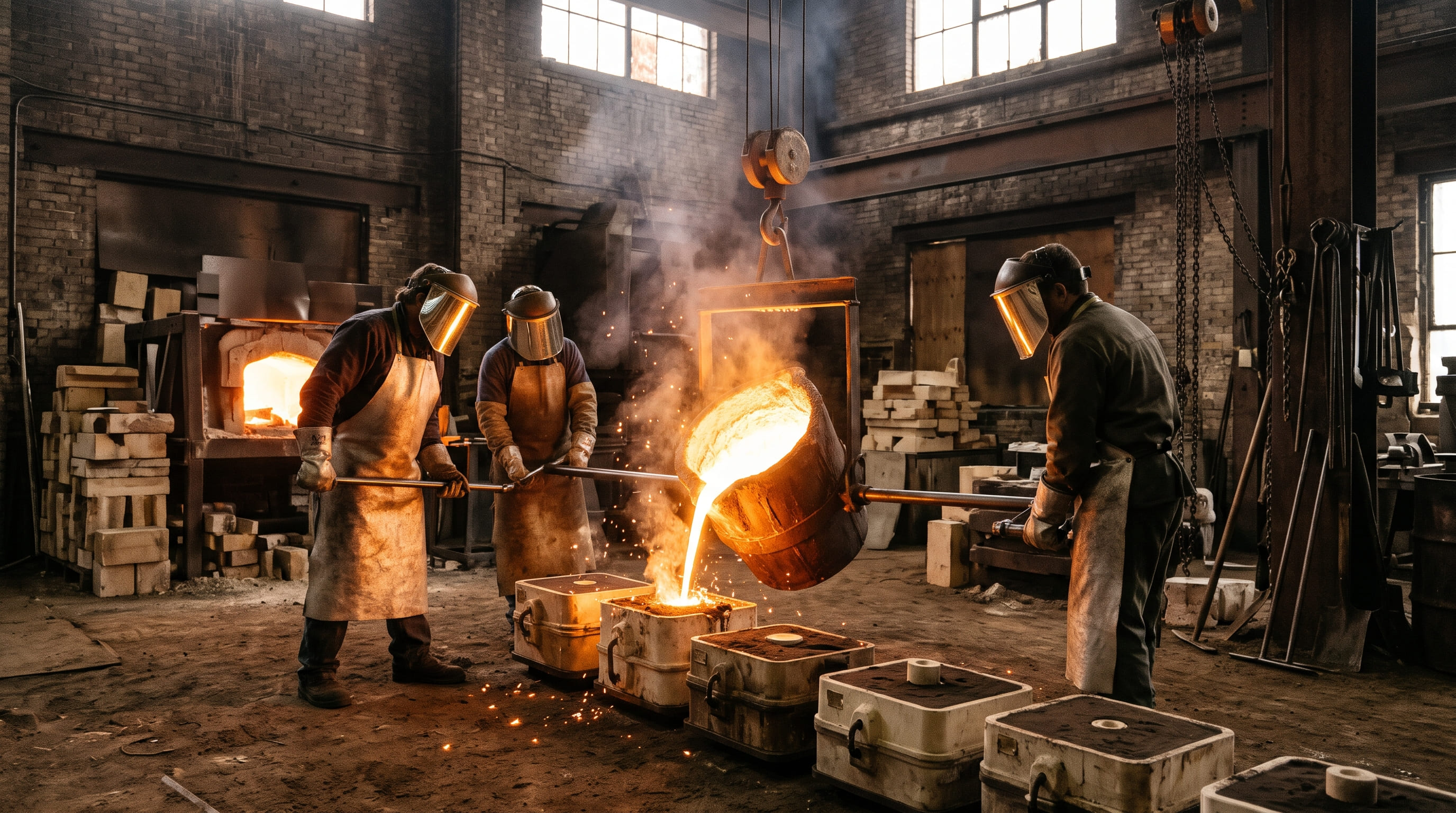
Creating a bronze sculpture requires great skill and patience, mostly using a traditional method called lost wax casting. The process starts when an artist sculpts an original design out of clay or wax. Next, a heat resistant mold is built around this original model. Once the mold is ready, it is heated so the wax melts and drains out, leaving an empty space inside that matches the exact shape of the artwork. Craftspeople then pour liquid bronze, heated to extremely high temperatures, into the hollow mold.
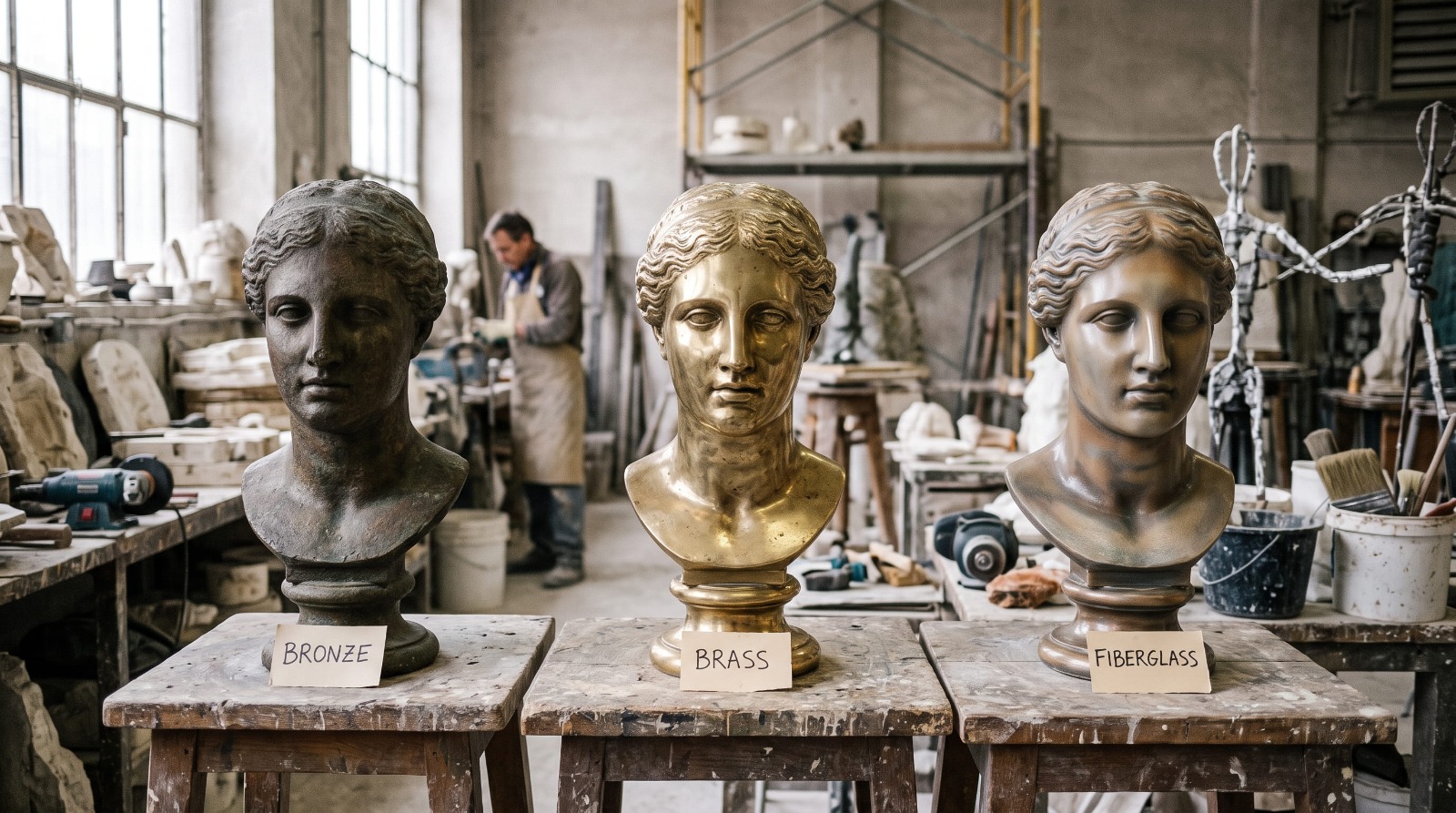
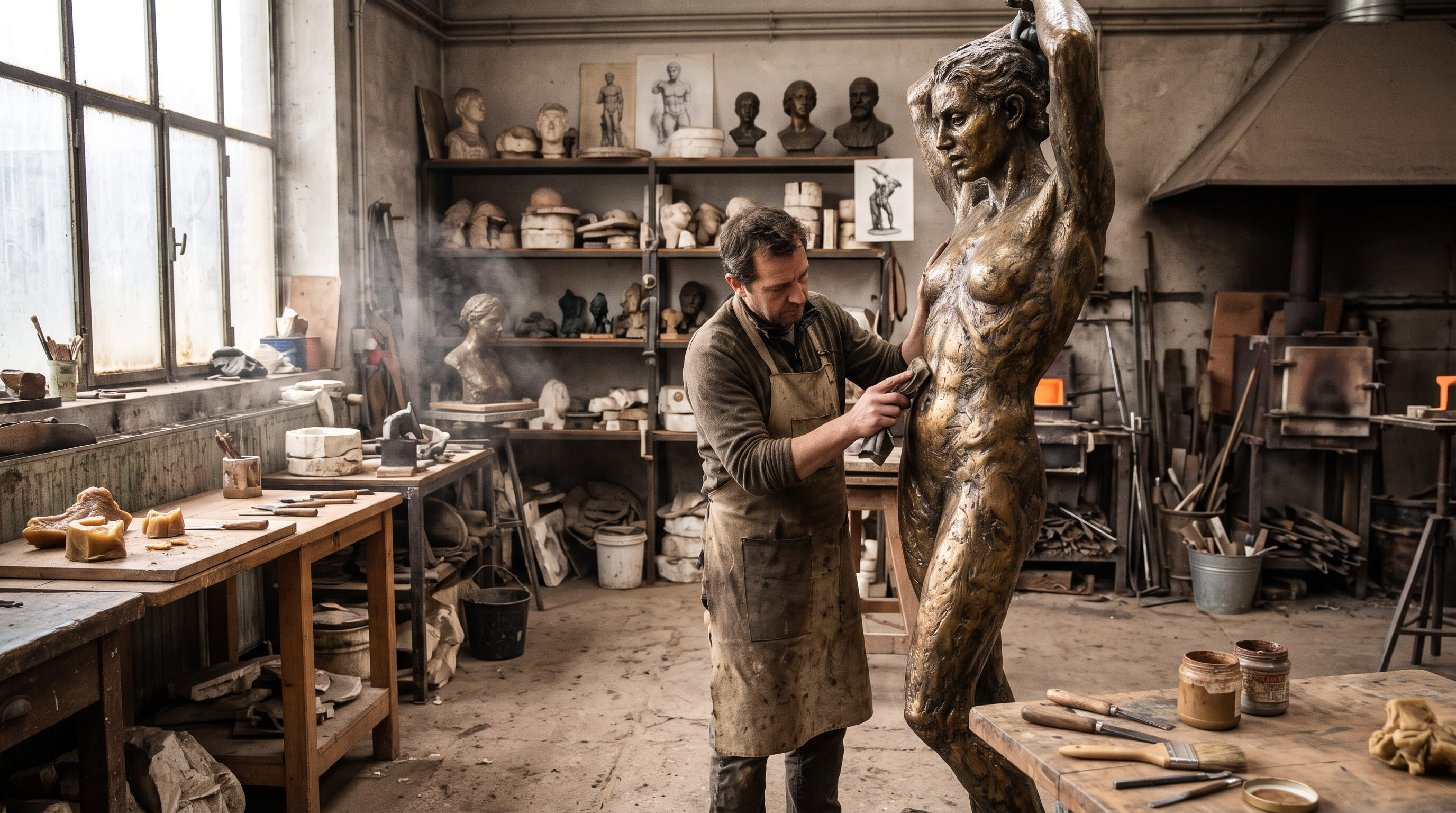
After the molten metal cools and hardens, the outer mold is broken away to reveal the raw bronze figure inside. Artisans then carefully clean the surface, smooth out any rough spots, and polish the metal by hand. The final artistic step is applying a patina, which is a special treatment using heat and natural chemicals to give the bronze its rich color. Depending on the artist and the technique used, the patina can turn the metal into shades of deep brown, warm gold, antique black, or classic earthy green.
Caring for a bronze sculpture is simple and ensures that the artwork stays beautiful for generations. For indoor pieces, regular dusting with a clean, soft, dry cloth is usually all that is needed to keep the surface looking fresh. You should always avoid using harsh household cleaners, chemical sprays, or rough sponges, as these can scratch the metal and ruin the delicate patina. If your sculpture is kept outdoors or in a humid room, applying a thin coat of clear paste wax once or twice a year will protect the metal from moisture and air, keeping its natural shine alive for decades to come.